Dive into the world of Digital direct marketing where strategies, telemarketing, and affiliate marketing intertwine to boost businesses to new heights. Get ready for an exciting journey filled with tips, examples, and insights!
Introduction to Digital Direct Marketing
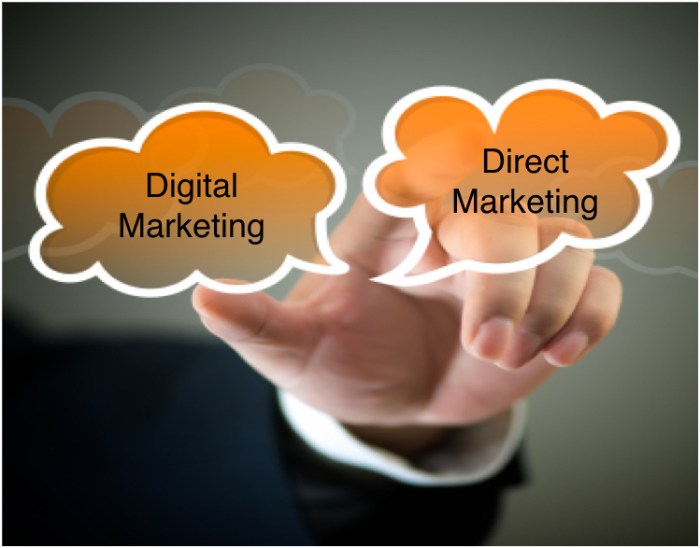
Digital direct marketing refers to the practice of reaching out to specific individuals or groups of customers directly through various digital channels. This form of marketing allows businesses to tailor their messages and offers to the preferences and behaviors of their target audience, leading to more personalized and effective communication.
Examples of Digital Direct Marketing Strategies:
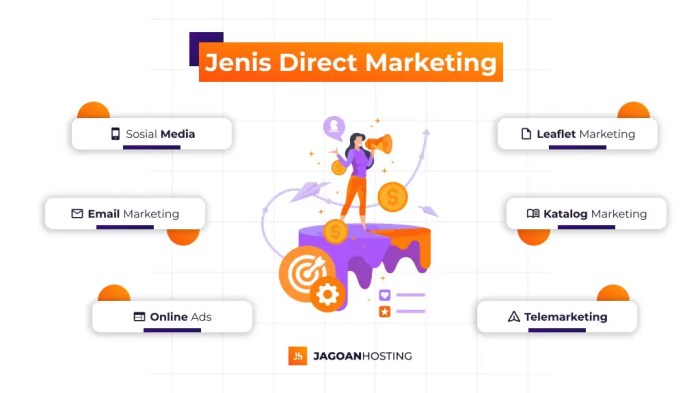
- Social media advertising targeting specific demographics or interests
- Email marketing campaigns customized based on user behavior and preferences
- Personalized messaging through SMS or messaging apps
- Retargeting ads to reach customers who have previously interacted with the brand online
Benefits of Utilizing Digital Direct Marketing for Businesses:
- Increased targeting precision: Businesses can reach the right audience with relevant messages, increasing the chances of conversion.
- Cost-effective: Digital direct marketing often has a lower cost compared to traditional advertising methods, making it accessible to businesses of all sizes.
- Measurable results: Digital marketing allows for tracking and analyzing the performance of campaigns in real-time, providing valuable insights for optimization.
- Enhanced customer relationships: By delivering personalized and relevant content, businesses can build stronger connections with their customers and increase loyalty.
Telemarketing
Telemarketing is a form of direct marketing that involves reaching out to potential customers via telephone calls to promote products or services, gather information, or make sales. It plays a crucial role in direct marketing by allowing businesses to connect with customers directly and engage in personalized conversations to drive sales and build relationships.
Comparison with Other Direct Marketing Strategies
- Telemarketing vs Email Marketing: While email marketing is cost-effective and scalable, telemarketing offers a more personal touch and immediate response from customers.
- Telemarketing vs Direct Mail: Telemarketing allows for real-time interaction and feedback, unlike direct mail which may take longer to generate a response.
- Telemarketing vs Social Media Marketing: Telemarketing provides a more personalized and direct form of communication compared to social media marketing, which reaches a broader audience but may lack the personal touch.
Tips for Effective Telemarketing Campaigns
- Understand Your Audience: Segment your audience and tailor your telemarketing approach to their preferences and needs.
- Train Your Team: Ensure your telemarketing team is well-trained in product knowledge, communication skills, and objection handling to maximize success.
- Respect Do-Not-Call Lists: Always comply with regulations and respect the wishes of customers who do not wish to be contacted for telemarketing purposes.
- Follow Up: Keep track of leads and follow up on promising prospects to increase conversion rates and build lasting relationships.
Direct Marketing Strategies
Direct marketing strategies play a crucial role in reaching out to target audiences effectively. In the digital realm, various tactics are utilized to engage customers and drive conversions. Personalization is key in establishing a connection with consumers, making them feel valued and understood. Let’s explore common direct marketing tactics, the importance of personalization, and examples of successful campaigns.
Common Direct Marketing Tactics
- Email Marketing: Sending personalized emails to subscribers with targeted content and offers.
- Social Media Advertising: Utilizing social platforms to reach specific demographics and engage with customers.
- Search Engine Marketing (SEM): Running paid ads on search engines to appear in relevant search results.
- Content Marketing: Creating valuable content to attract and educate potential customers.
Importance of Personalization in Direct Marketing
Personalization in direct marketing is crucial for building relationships with customers. By tailoring messages and offers to individual preferences and behaviors, brands can increase engagement and conversions. According to a study by Infosys, 59% of consumers say that personalization influences their purchasing decisions. It creates a sense of connection and relevance, leading to higher customer satisfaction and loyalty.
Examples of Successful Direct Marketing Campaigns
Amazon: The e-commerce giant uses personalized recommendations based on user behavior to drive sales and enhance the shopping experience.
Sephora: The beauty retailer sends targeted emails with product recommendations and exclusive offers, increasing customer engagement and loyalty.
Dollar Shave Club: This subscription service utilizes humorous and personalized content to connect with customers and drive subscriptions.
Affiliate Marketing
Affiliate marketing is a popular digital marketing strategy where businesses partner with individuals or other companies (affiliates) to promote their products or services in exchange for a commission on sales generated through their referral links. This form of marketing is performance-based, meaning affiliates are only paid when their efforts result in a sale, lead, or other desired action.
Role of Affiliates in Promoting Products/Services
Affiliates play a crucial role in promoting products and services by leveraging their online presence, audience, and marketing skills to drive traffic and conversions for the business. They create content, such as blog posts, videos, social media posts, or email campaigns, to promote the products/services effectively to their followers and subscribers.
- Affiliates act as brand ambassadors, creating awareness and interest in the products/services they promote.
- They use their expertise in a particular niche to target the right audience and drive relevant traffic to the business.
- Affiliates help in expanding the reach of the business by tapping into their existing network and audience base.
- They provide valuable feedback and insights on the market trends, customer preferences, and the effectiveness of marketing campaigns.
Tips for Starting an Affiliate Marketing Program
Starting an affiliate marketing program can be a great way to increase sales and reach a wider audience. Here are some tips for businesses looking to launch their affiliate program:
- Define clear objectives and goals for the affiliate program, such as increasing sales, expanding brand reach, or driving traffic to specific products/services.
- Identify your target audience and choose affiliates who align with your brand values, niche, and target demographic.
- Create compelling marketing materials, including banners, text links, and promotional content, to provide affiliates with the tools they need to promote your products/services effectively.
- Establish transparent communication and provide regular updates, support, and incentives to motivate affiliates and foster a strong partnership.
- Monitor and analyze the performance of affiliates, track key metrics like click-through rates, conversion rates, and ROI, and optimize your program based on data-driven insights.
Final Thoughts
As we wrap up our discussion on Digital direct marketing, remember that personalized strategies and effective campaigns can make all the difference in the digital landscape. Stay innovative and watch your business thrive!
FAQ Section
What is the concept of digital direct marketing?
Digital direct marketing involves targeting specific individuals or businesses through digital channels to promote products or services directly to them.
How does personalization play a role in direct marketing efforts?
Personalization in direct marketing helps businesses tailor their messages to individual customers, increasing engagement and conversion rates.
What are some tips for businesses starting an affiliate marketing program?
Some tips include choosing the right affiliates, providing them with the necessary resources, and tracking performance to optimize results.